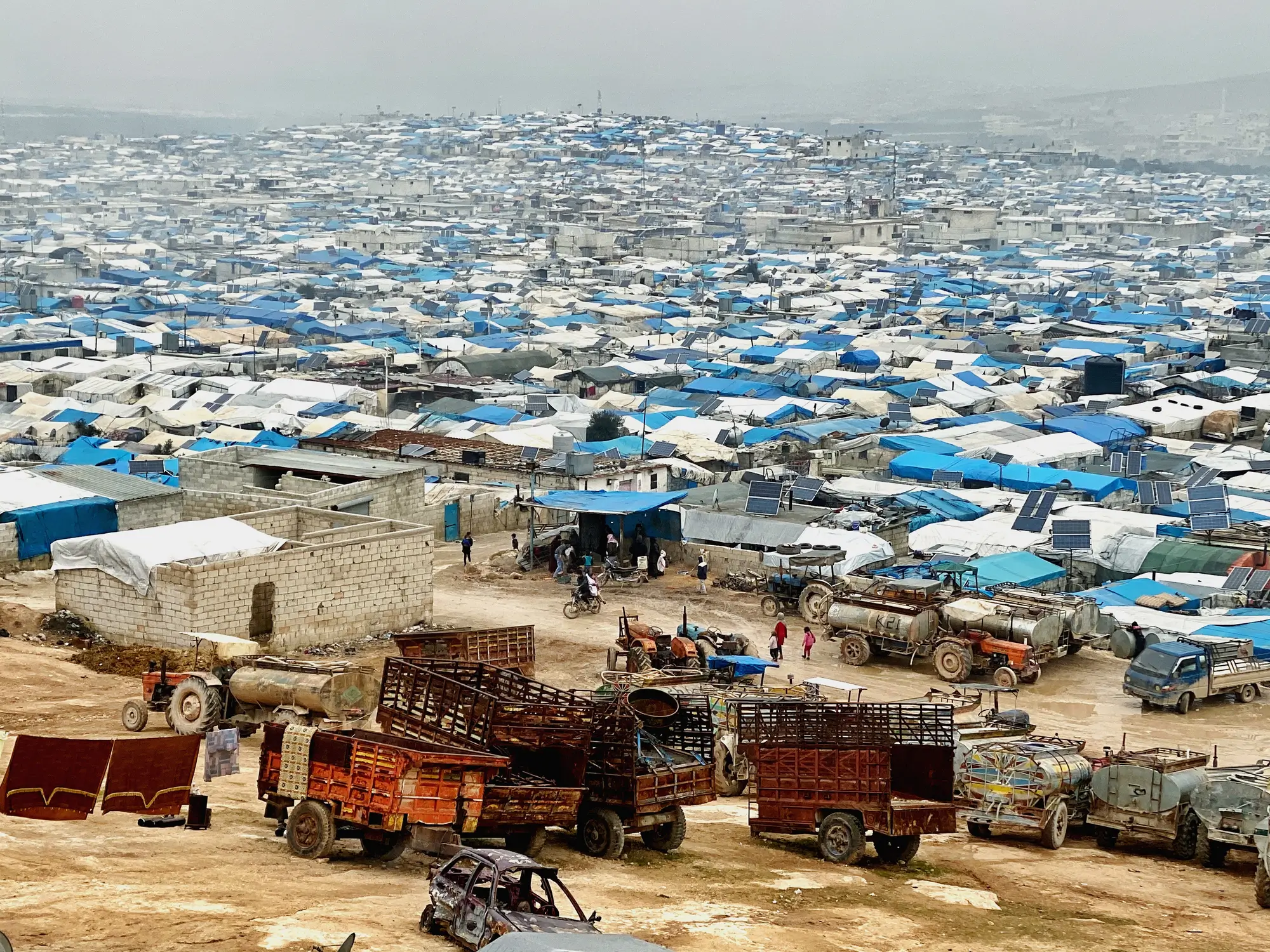
SOME SOLUTIONS TO “THE REFUGEE CRISIS”— IT IS THE GLOBAL CRISIS OF UNRESOLVED CONFLICT
It is obvious that the massive flows of refugees around the globe, fleeing from pillar to post and living in substandard, even inhumane conditions, being forced to start new, essentially marginalized lives in new countries, is not the only reasonable solution to war, natural disasters, and ethnic cleansing. The stark realities of an overloaded refugee system produce three overarching implications.
- First, UNHCR must be properly funded, and its mission made more feasible: Narrow the definitions of “asylum seeker” and “refugee” back to the slimmer intentions of the Refugee Convention.
- Second, achieving global peace must be addressed as a fundamental solution to forcible displacement. As Grandi has insisted, the realities of an overburdened refugee system must “serve as a wake-up call” for more “action to promote peace and address all causes of forced displacement”[i] that produce refugee flows in the first place. Internally Displaced Persons often find that the only way to safety is to leave their country. Simply put, IDPs spawn refugees, so resolving conflict at home is a first step to reducing (or removing) the reasons to flee in the first place.
- Third, as a global community, we have designed many mechanisms for reducing conflicts that drive innocent people across the border, but international diplomacy must go beyond one-day meetings and resolutions written on paper toward a more aggressive, concerted, persistent, and ongoing strategy that is more likely to create enduring peace.
- Fourth, engaging and empowering welcoming publics with moderate but strategic government assistance is critical. This will help maximize the chances that incoming refugees will integrate efficiently and effectively into local housing, labor, education, and health care systems. Such engagement will reduce the burden on governments and UNHCR.
- Fifth, separating the refugee systems from those intended for economic migrants (regular “immigrants”) is essential both politically and practically. The lack of distinctly differentiated systems creates confusion for refugees, immigrants, publics, and government agencies, as Betts argues: The problem is that we have lost sight of what refuge is about. …The issue has become bound up with toxic debates on migration and globalisation. Both progressive and reactionary voices conflate refuge with the right to migrate. …we need to restore refuge to its rightful place and understand what it is for…. Even for refugees, the right to migrate is contingent on the need to access a haven.[ii]
[i] UNHCR, “Ukraine, Other Conflicts Push Forcibly Displaced Total Over 100 Million for First Time,” May 23, 2022.
[ii] Betts, “How to Fix the Refugee Crisis.”