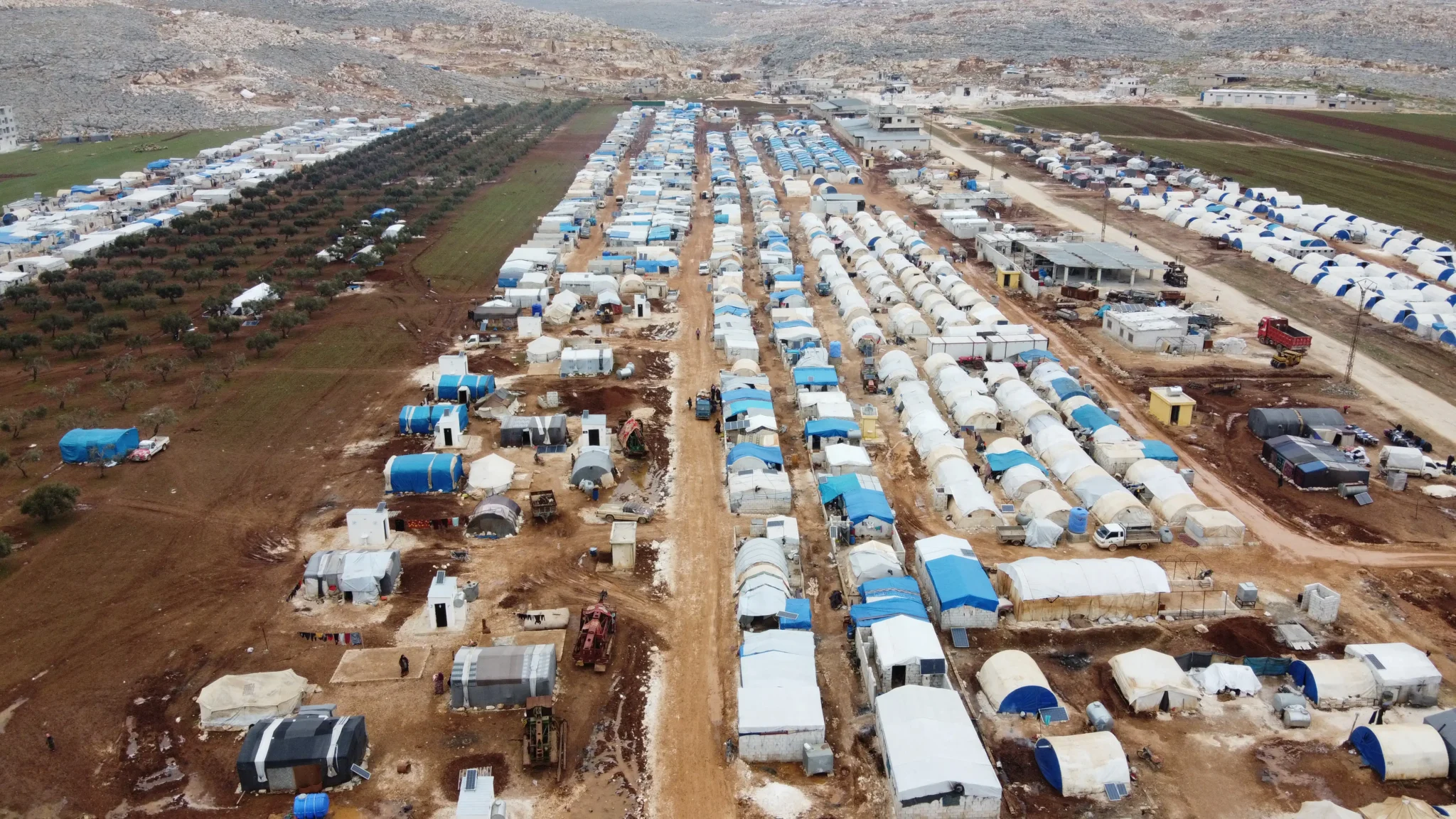
The Pace of Refugee Flows Is Outstripping Solutions
REFUGEE WELL-BEING:
Keeping the Sustainable Development Goals in Mind
Who is A Refugee?
- The 1951 Convention Relating to the Status of Refugees (“The Geneva Convention) and its 1967 Protocol, which expanded the Convention beyond European refugees produced by World War II, defines refugees as “persons fleeing the risk of persecution or serious harm, including human rights violations, armed conflict or persecution”
- Refugees are “recognized precisely because it is too dangerous for them to return home, and they need international protection elsewhere”
- When their homeland can no longer protect them from such harm—and might be perpetrating that harm—refugees are forced to seek safety and protection in another country and have the right to assistance from nations (“states”), the United Nations High Commission for Refugees (UNHCR), and other organizations related to the Convention and later international law
- The UN uses this working definition of persecution:
From Article 33 of the 1951 Convention, it may be inferred that a threat to life or freedom on account of race, religion, nationality, political opinion or membership of a particular social group is always persecution. Other serious violations of human rights–for the same reasons–would also constitute persecution.
What Other Global Agreements Are Intended to Protect Refugees?
- The 1948 Declaration of Human Rights, The 1989 Convention on the Rights of the Child (rev. 2022), The 1997 Convention on the Elimination of All Forms of Discrimination against Women (CEDAW), and many others.
The Critical Importance of the Sustainable Development Goals
- With all these universal declarations of the intent to protect refugees, it is also critical to link refugee “well-being” to the Millennium Development Goals 2000-2015 (the MDGs), whose purpose was:
…to create a globally agreed-upon framework to significantly reduce extreme poverty, hunger, disease, and inequality by 2015…these eight goals aimed to improve living standards, promote education, empower women, and ensure environmental sustainability.
The Sustainable Development Goals 2015-2030 (the SDGs), aspire to improve food security, education, health, access to clean water and air, sufficient income, and safe transportation—even during suspension of “normal” life.
What is the Role of the United Nations High Commission for Refugees (UNHCR)?
- UNHCR, as the overarching refugee framework, holds the mandate and the intention to “safeguard the rights and well-being of refugees.”
The Realities of Displacement Counter the Intentions of the MDGs/SDGs
- Regardless of high global goals and good intentions, Forcibly Displaced Persons (FDPs), whether internally displaced or forced to cross borders, experience serious threats to their well-being:
- Drastic foreshortening of their options and opportunities
- Perpetual “survival mode,” to a greater or lesser extent
- Their own hunger and that of constantly hungry children
- Babies who fail to thrive (higher than average infant mortality rates)
- Persistent threats relating to gangs, domestic violence, and sex trafficking
- Poor sanitation, hygiene, water, shelter (lack of protection from sun, cold, rain, etc.)
- Inadequate basic health care
- Significant losses in years/quality of education and maturational opportunities:
- Limited acquisition of basic education in language of one’s birthplace and/or of transitional languages relevant to preferred country of resettlement
- Limited skill-building for independence
- Limited opportunities for developing a personal sense of empowerment
- Underdeveloped conflict resolution skills
- Risk of gaps in nutrition
Achieving Well-Being and Capability Requires Stability, Safety, and Opportunity
- Displacement means flight, anxiety, danger, loss of health, and often loss of family members
- Grief when forced to leave family members behind
- Constant movement in flight out of the dangers of war or persecution
- Uncertainty of life in camps
- Confusion/delays surrounding the selection process for resettlement to a “safe third country”
- Access to adequate resources are typically insufficient and unpredictable
- Living in limbo becomes the routine condition of transition and camp life
ALL the usual opportunities for development of age-appropriate well-being are weak or absent during displacement, transition to camps, encampment, and asylum seeking—and sometimes even during resettlement.
The Result? Fundamental Threats to Well-Being
- Poor to no chances for achieving human dignity
- Extremely low levels of well-being
- Stability is almost impossible to achieve for more than short periods
Solutions: Rebalance the Distribution of Funds toward Conflict Reduction and Peacebuilding
The Refugee Convention and the organizations that flow from it or support it represent the greatest expression of willingness the world has ever seen to help those in need in times of conflict, starvation, persecution, or disaster. The system itself has spent so much time, energy, and funding on mopping up the consequences of conflict that it has lost sight of the need to dedicate resources equally (if not more so) to conflict resolution.
- Rethink Use of Funding: Use a greater proportion of funding, technical assistance, and political will first to stem the triggers of displacement associated with civil and external war, failure to accept leadership change, weak or failing political and economic systems, and loss of citizen rights to take part in making decisions for positive social change
- Re-emphasize Old Principles: Self-determination and state autonomy often fall to the wayside as external powers exploit internal resources
- Convene Regular International Meetings to Stop the Transfer of Weapons (through sale or donation) from richer to poorer countries (such weapons make profits for their producers and heat up internal or external conflicts
- Consider Restrictions on Sending Mercenaries to support one side of internal disagreements
- Create New Ways to Control or Remove Gangs and Militias that persist after wars have been resolved through peace agreements or ceasefires:
Focusing on providing humanitarian aid to displaced persons inside conflict zones and generously funding diplomatic and other peace-building efforts to end conflict might be a better use of funds than holding refugees in camps for undetermined periods.
- Strengthen Values and Policies toward Global Multiculturalism: For example, Canada’s contribution to minimizing hatred in the world through acceptance of refugees and asylum seekers is based in official recognition of multiculturalism as the underpinning of a progressive and inclusive ethos that enables “civic integration” of all ethnic, religious, and cultural groups; it also puts into place policy mechanisms to support rights and tolerant practices that are requisite for multiculturalism. Although this concept is firmly entrenched in Canada, it is critical to keep the policy and practice of multiculturalism at the forefront.
- It is easy to become complacent simply because refugees are admitted and welcomed, as Holliday observed in reflecting on the situation of the Rohingya in Myanmar: “…foster understanding of cultures themselves. Though full cultural understanding is a far slower process, it will undoubtedly strengthen our national identity. If we understand another culture, then there will not only be toleration, but also acceptance and integration.”
We hope that this blog has contributed to that understanding.